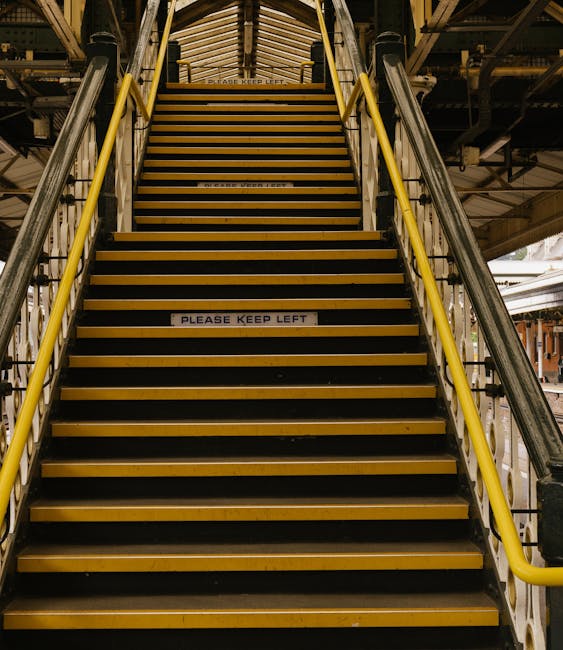
Barnes Bridge Station Access Guide for Tricky Removals
If you are planning a move near Barnes Bridge station, you probably already know the awkward bits can appear fast: tight pavements, parked cars, narrow entrances, awkward turns, and the kind of timing pressure that makes a simple job feel oddly complicated. This Barnes Bridge station access guide for tricky removals is written to help you think ahead, avoid the usual bottlenecks, and make the move feel controlled rather than chaotic. Whether you are shifting a flat, a family home, a piano, or just a few bulky items, the right access plan can save a lot of time and a fair bit of stress.
The area around a station is rarely forgiving. There may be limited stopping space, busy pedestrian flow, and a narrow window where a van can load safely without causing disruption. Add furniture that does not enjoy stairs, awkward corners, or a lift that is smaller than you hoped, and you have the sort of move where preparation matters more than brute force. The good news? Most access problems can be handled with a sensible plan, clear communication, and the right moving method.
In this guide, we will break down the access challenges you are likely to face, how removals are usually planned around them, what to check in advance, and which services are best suited to tricky jobs. You will also find a practical checklist, a comparison table, and a realistic example from a typical Barnes move. Nothing dramatic. Just the useful stuff that actually helps on the day.
Table of Contents
- Why Barnes Bridge station access matters for tricky removals
- How station-side removals are planned and managed
- Key benefits and practical advantages
- Who this guide is for
- Step-by-step guidance for a smoother move
- Expert tips for better results
- Common mistakes to avoid
- Tools, resources and recommendations
- Law, compliance, standards and best practice
- Options, methods and comparison table
- Case study or real-world example
- Practical checklist
- Conclusion
- Frequently asked questions
Why Barnes Bridge Station Access Matters for Tricky Removals
Station-area access can change the whole shape of a move. Around Barnes Bridge, the challenge is not usually the distance itself; it is the way access, timing, and loading space interact. A removal van may be able to get close on one day and find the route far less friendly on another. That variation is exactly why a proper access guide matters.
In removals, the smallest friction points tend to create the biggest delays. A van that cannot stop near the entrance means more carrying distance. More carrying distance means more labour, more risk of dropping or scraping items, and more time. If the item is large, like a wardrobe, dining table, or piano, that extra distance can be the difference between a routine job and a difficult one.
There is also the matter of people flow. Station-adjacent streets naturally have pedestrians, cyclists, and arriving or departing passengers. A move that blocks a pavement or creates confusion on the road can become awkward very quickly. To be fair, most of these problems are avoidable when you plan access properly, but you do need to think about them before the truck arrives.
If your move also includes packing help or dismantling, the access issue becomes even more important. A team carrying boxes from a flat above street level will need a different approach from a team handling a direct ground-floor load. This is where services such as packing and boxes and packing and unpacking services can reduce pressure, because the move is organised more cleanly from the start.
How Station-Side Removals Are Planned and Managed
A tricky removal near Barnes Bridge is usually managed in stages rather than treated as a single lift-and-go job. First comes access review. Then route planning. Then vehicle choice. Then timing. It sounds simple written down, but each stage has small details that matter.
Access planning usually begins with basic questions: How close can a van stop? Is there space to unload without obstructing traffic? Are there steps, gates, communal hallways, or a lift? Can large items pass through the route in one piece, or do they need dismantling? These questions are not theoretical. They determine whether you need a smaller removal van, a larger moving truck, or something in between.
For compact jobs, a flexible service such as man and van or man with van can often make sense, especially where parking and manoeuvring are tight. For bigger or more complex moves, a full removal services package may be better because it usually gives you a stronger planning setup and more hands on the day.
Route planning is the next piece. A moving crew will typically look at the best way to approach the property, where to park, how to protect the route, and how to avoid wasted carrying. If there are stairs or a lift, the team will want to know that in advance. No one likes the surprise of a six-flight carry after the van is already loaded. Not ideal. Not at all.
Finally, the actual move is managed by sequencing. The heaviest or most awkward items are handled first if they need the most space or the clearest route. Boxes are stacked in a way that keeps the load stable. Fragile pieces are separated from the items most likely to shift. If the job includes special items such as a piano, it should be treated as a specialist move rather than just another large object. A dedicated piano removals service is usually the sensible route.
Key Benefits and Practical Advantages
A well-planned access guide does more than reduce stress. It improves the quality of the whole move. The benefits are practical, measurable, and honestly a bit underrated.
- Less wasted time: A van parked properly and a route planned properly means less back-and-forth carrying.
- Lower risk of damage: Clear access reduces the chance of bumping walls, doors, railings, and furniture.
- Better team efficiency: Movers work more smoothly when they know the access conditions before they arrive.
- Safer handling: Fewer awkward lifts and fewer unexpected turns mean lower strain on people and items.
- Cleaner customer experience: A move that feels calm and organised tends to stay that way, even when the weather turns or the road is busy.
There is also a financial side, though pricing depends on the job and the circumstances. When access is difficult, accurate quoting becomes more important. If a company knows in advance that a move will involve narrow access, waiting time, or extended carrying distances, it can quote more realistically. That is where a transparent pricing and quotes page can be useful for setting expectations before you commit.
Another advantage is flexibility. Some customers only need a quick local transfer. Others need storage because the new place is not ready yet, or because there is a gap between completion and moving-in day. In those situations, having access to storage can keep the move from becoming a last-minute scramble.
Expert takeaway: The best station-side removal is not the one with the biggest van. It is the one with the best access plan, the right vehicle size, and enough buffer time for the real conditions on the ground.
Who This Is For and When It Makes Sense
This guide is for anyone moving near Barnes Bridge station where access is not straightforward. That could mean a first-floor flat above shops, a family home on a tight residential street, a converted property with awkward stairs, or a business move that needs careful timing to avoid disrupting the area.
It is especially useful if you are:
- moving from or to a flat with limited parking nearby
- handling heavy furniture through a tight stairwell
- moving at a time when the street is busy
- working around a building with narrow entrances or older internal layouts
- trying to move quickly with minimal disruption
- managing student belongings, short-let items, or partial household loads
Students and renters often underestimate access issues because the load looks small on paper. Truth be told, a few boxes, a mattress, and one awkward desk can still be a pain if the entrance is narrow or the van cannot stop close enough. A service like student removals can help keep that kind of move efficient without turning it into a full-scale operation.
For families, access planning becomes even more important because there is usually more furniture, more packing, and more time pressure. If that sounds familiar, a properly managed home moves service or a more comprehensive house removals option may be the better fit.
Commercial customers have their own version of the same problem. Office items can be bulky, fragile, and time-sensitive. If that is your situation, look at commercial moves or office removals so the move is planned around business continuity rather than guesswork.
Step-by-Step Guidance for a Smoother Move
1. Walk the access route before moving day
Start from the road and walk all the way to the room where items will be collected. Note every turning point, stair, doorway, gate, and obstacle. If you can, measure anything that looks tight. A surprising number of access issues only show themselves when someone actually walks the route with a tape measure and a bit of patience.
2. Check parking and stopping options early
The loading point matters more than people think. If the van needs to stop further away, the whole job changes. Plan for legal and practical stopping space, especially around busier times of day. Where a vehicle needs to be parked nearby, a smaller removal van may be easier to place than a large truck, and that can make the move much smoother.
3. Identify the heavy and awkward pieces first
Before anything is packed, decide what needs special handling. Large mirrors, wardrobes, washing machines, sideboards, and pianos are obvious examples. If you have unusually heavy or delicate pieces, say so early. That lets the team bring the right equipment and plan the route. If needed, arrange a specialist service like furniture removals rather than leaving it to chance.
4. Decide what should be dismantled
Some furniture is easier to move in sections. Beds, table legs, and certain wardrobes can often be taken apart and reassembled. This is not always necessary, but when access is tight it can save time and reduce damage risk. If you are not sure, ask the mover for a practical view rather than a theoretical one. The difference matters.
5. Choose the right service level
Not every move needs the same setup. A smaller job near Barnes Bridge may suit a straightforward man-and-van arrangement, while a multi-room house move may need a larger team and vehicle. If you are comparing options, it is worth reviewing removals, removal services, and house removalists to match the service to the actual job size.
6. Protect the route and the load
Good movers protect floors, corners, door frames, and fragile surfaces. That matters even more in properties with narrow hallways or old finishes. It is a simple thing, but simple things are often what keep a move from becoming an expensive headache.
7. Build in a time buffer
Station-area access can be affected by traffic, pedestrians, weather, or the sheer unpredictability of parking. Leave yourself a buffer. It is better to have ten unused minutes than to be rushed while carrying something heavy down a step. Nobody wants that.
Expert Tips for Better Results
Over the years, the best tricky removals tend to share a few habits. None of them are flashy. They are the boring, effective bits, which is usually a good sign.
- Photograph the access points: A few pictures of the entrance, stairs, and parking area can help a mover assess the job properly.
- Label the awkward items: Mark anything fragile, heavy, or awkwardly shaped so it is handled with the right care.
- Keep the route clear on the day: Shoes, bins, bikes, and loose mats often get in the way more than people expect.
- Think in carrying distance, not just postcode: A short map distance can still mean a long and exhausting carry.
- Ask about insurance and safety: It is sensible to know how items are protected, especially for valuable or delicate belongings. The page on insurance and safety is a good place to understand how this side of the move is handled.
If your move involves a lot of packing, a bit of structure helps. One common mistake is packing too late and then stuffing the final boxes with random items. That always feels efficient at the time. Later, not so much. A calmer approach is to use proper packing materials, keep weights balanced, and separate essentials for the first night.
Another practical tip: do not ignore the final room-by-room sweep. A quick check of lofts, cupboards, behind doors, and under beds can save a return trip. It sounds obvious, but on moving day obvious things are the first to disappear.
Common Mistakes to Avoid
Tricky removals often go wrong in the same predictable ways. Avoiding these mistakes will make the day feel much more manageable.
- Underestimating the access route: A narrow entrance or tight stairwell can turn a small move into a slow one.
- Booking the wrong vehicle size: Too large and the vehicle may be hard to place; too small and you may need extra trips.
- Forgetting parking or stopping restrictions: The van can only load if it can actually get close enough.
- Poor communication about heavy items: If the mover does not know there is a piano, chest freezer, or oversized sofa, the plan is weaker than it should be.
- Not preparing the building: Communal areas, doors, and floors need attention before the first item moves.
- Leaving packing too late: This usually leads to rushed box-filling and more breakage risk.
There is also a subtle mistake people make when comparing services. They compare price before access. In reality, the access conditions shape the price, the staffing, and the timing. That is why a proper quote conversation matters more than a quick guess.
Tools, Resources and Recommendations
You do not need a huge kit to make a station-side move work, but a few basics go a long way. In practice, the right equipment often matters more than the number of people on site.
| Tool or resource | Why it helps | Best used for |
|---|---|---|
| Measuring tape | Checks doorways, stair widths, and furniture clearance | Large items, tight entrances, dismantling decisions |
| Furniture blankets and covers | Protects corners and surfaces during carrying | Wardrobes, tables, cabinets, appliances |
| Strong tape and labels | Keeps boxes organised and easy to identify | Packing, room grouping, fragile items |
| Hand trolley or sack truck | Reduces strain for heavier boxes and compact loads | Short carries, multiple boxes, local moves |
| Floor and corner protection | Helps prevent scuffs in tight hallways or stairwells | Flats, older houses, communal areas |
If you want a more coordinated move, consider pairing packing help with the move itself. Services such as packing and unpacking services can reduce the last-minute rush, while man with a van can be a practical option for smaller or simpler jobs. For those who need more flexibility, same day removals may be available when time is tight, though it is always better to plan ahead where possible.
And if the move is part of a bigger residential transition, the broader support of house removalists or home moves can keep everything joined up rather than feeling like a dozen small tasks stitched together in a rush.
Law, Compliance, Standards and Best Practice
For most home removals, the practical side matters more than a list of legal jargon. Even so, there are sensible standards and best practices worth keeping in mind. Vehicles should be operated safely, loads should be secured properly, and moving teams should work in a way that reduces risk to people and property. That is the basic expectation in the UK moving trade.
If a move affects a public pavement or road, it should be managed carefully and responsibly. You do not need to become a traffic expert, but you do need to avoid blocking access, creating hazards, or assuming that a tight street can absorb a large vehicle without issue. Best practice is to plan the load-in and load-out so the interruption is as short and tidy as possible.
Health and safety is also not just a box-ticking exercise. Proper lifting technique, use of equipment, and clear communication all matter. If there are stairs, awkward angles, or heavy items, the team should make sure the work is done in a way that protects both the crew and your belongings. The health and safety policy can give you a sense of how a professional operator approaches this side of the job.
For customers, the important thing is to ask sensible questions and expect clear answers. How is the load protected? What happens if access is more difficult than expected? Is the quote based on your actual route and item list? What should you prepare before arrival? If the responses are careful and practical, that is usually a good sign.
Options, Methods and Comparison Table
Not every tricky removal near Barnes Bridge needs the same setup. Here is a simple comparison to help you choose the right method for the access conditions you are dealing with.
| Method | Best for | Strengths | Trade-offs |
|---|---|---|---|
| Man and van | Small to medium local moves | Flexible, often efficient for short carrying distances | May not suit very large or complex loads |
| Removal van | Compact moves with tight access | Easier to position near awkward streets or narrow roads | Lower capacity than larger vehicles |
| Moving truck | Larger household or business loads | More space, fewer trips | Can be harder to park or manoeuvre in tight access areas |
| Full removals team | Busy, fragile, or multi-room moves | More hands, better structure, more support | Usually more involved to arrange |
| Storage plus move | Delayed completion or staged relocation | Reduces pressure when dates do not align | Requires more planning across two steps |
For flat-based jobs, flat removals are often the most relevant option because they account for stairs, lifts, and communal access from the start. If the move is more of a single-load or one-off collection, furniture pick up may be enough. For work-related relocations, the structure of office relocation services is usually more appropriate than a basic van-only arrangement.
Case Study or Real-World Example
Picture a typical Barnes move: a two-bedroom flat not far from Barnes Bridge station, with a narrow stairwell, a couple of tall wardrobes, and no easy place for a large vehicle to sit for long. Nothing extreme, but enough to make the day fiddly.
The first issue was not the furniture. It was parking. The team needed enough space to unload safely, but also had to avoid turning the road into a mess for neighbours and passing traffic. The solution was straightforward: use a smaller vehicle, arrive at a less busy time, and keep the loading sequence tight. The wardrobes were checked in advance and one was partly dismantled so it could pass the stair bend without rubbing the wall.
The second issue was the floor path. The communal hallway was narrow, a bit echoey, and easy to scuff if people rushed. Protective covers were laid down. Boxes were grouped by room. Fragile items were carried separately rather than stacked too high. It all sounds almost too tidy, but that is the point. The move did not feel dramatic because the boring details were handled properly.
In the end, the job finished on time, with no panic and no extra trip for forgotten items. The client had storage booked for a few items that were not needed immediately, which also helped keep the new place uncluttered. That is a classic win in tricky removals: less pressure, fewer mistakes, and a move that feels manageable rather than heroic.
Practical Checklist
Use this checklist before moving day. It is short on purpose. If the access is tricky, the basics matter most.
- Walk the full route from road to room
- Measure doorways, stairs, and any tight corners
- Confirm where the vehicle can stop or park
- Tell the mover about bulky, heavy, or fragile items
- Decide what should be dismantled in advance
- Protect floors, corners, and door frames
- Label boxes by room and priority
- Set aside essentials for first-night access
- Allow extra time for loading and carrying
- Double-check storage needs if dates do not line up
- Review the moving plan with the team before arrival
If you want a calmer process from start to finish, it is worth checking the company's approach to trust and admin too. Pages such as about us, terms and conditions, and payment and security help reassure you that the job is being handled properly, not just quickly.
Get a free quote today and see how much you can save.
Conclusion
A Barnes Bridge station access guide for tricky removals is really about one thing: reducing uncertainty before the van arrives. Once you have checked the route, chosen the right vehicle, planned for parking, and matched the service to the job, the move usually becomes much easier to live with. That may sound obvious, but in removals, obvious is valuable.
The best local moves are rarely the flashiest. They are the ones where nobody is scrambling at the kerb, nobody is guessing whether a sofa will fit, and nobody is forced into a rushed compromise because the access plan was left too late. If you take the time to prepare, even an awkward station-side move can feel controlled, professional, and oddly satisfying. And after all that, you deserve a bit of calm.
Frequently Asked Questions
How do I know if Barnes Bridge station access will be a problem for my move?
The easiest way is to walk the full route from the road to the room and look for narrow gates, tight stairs, limited parking, or awkward turns. If any large item looks difficult to carry without twisting, access needs planning.
Should I book a man and van or a full removals team for a tricky local move?
If the job is small and the access is manageable, a man and van may be enough. If there are stairs, heavy furniture, or several rooms of belongings, a fuller removals team is usually safer and more efficient.
What if the van cannot park right outside my property?
That happens quite often near busy or narrow streets. In that case, the move may still work, but carrying distance increases. It is better to flag this early so the right vehicle and schedule can be chosen.
Can large furniture be moved through narrow Barnes Bridge access points?
Often yes, but not always in one piece. Some items need dismantling, while others need extra protection or specialist handling. Wardrobes, beds, and large sofas are common examples.
Do I need to dismantle furniture before the movers arrive?
Not always. Many movers can dismantle items on the day, but it helps to discuss this in advance. If access is very tight, dismantling beforehand can save time and reduce the chance of damage.
Is storage useful for tricky removals near Barnes Bridge?
Yes, especially if completion dates do not line up or if you need to move in stages. Storage can reduce pressure and stop the move becoming a last-minute rush.
How far in advance should I plan a station-side removal?
As early as you can, ideally once you know your rough moving date. Access issues are easier to solve with a bit of notice, particularly if you need a larger vehicle or specialist handling.
What should I tell the removal company before moving day?
Tell them about parking limits, staircases, lifts, heavy items, fragile pieces, tight corners, and anything that could slow the job down. Clear information leads to better planning and a more realistic quote.
Are same day removals realistic for tricky access jobs?
Sometimes, yes, especially for smaller moves. But if access is difficult, it is usually better to plan ahead. Same-day removals can work, but they leave less room for detailed route checks.
What is the biggest mistake people make with tricky removals?
Underestimating access. People often focus on what they are moving and forget where it has to go. In reality, the route matters just as much as the load.
How do I keep the move safe in a busy station area?
Keep the loading process tidy, protect the route, avoid blocking pedestrians, and make sure the vehicle is positioned sensibly. Good timing and clear communication go a long way.
What service is best for a flat move near Barnes Bridge?
Flat removals are usually the best fit because they are designed around stairs, communal access, and the realities of apartment living. If the move is larger, a broader home removal service may be better.
If you want the move handled with less stress and more confidence, the next step is simple: get the access checked, compare the right service level, and choose a team that plans carefully rather than guessing. A good move near Barnes Bridge is absolutely possible, even when the access looks awkward at first glance.